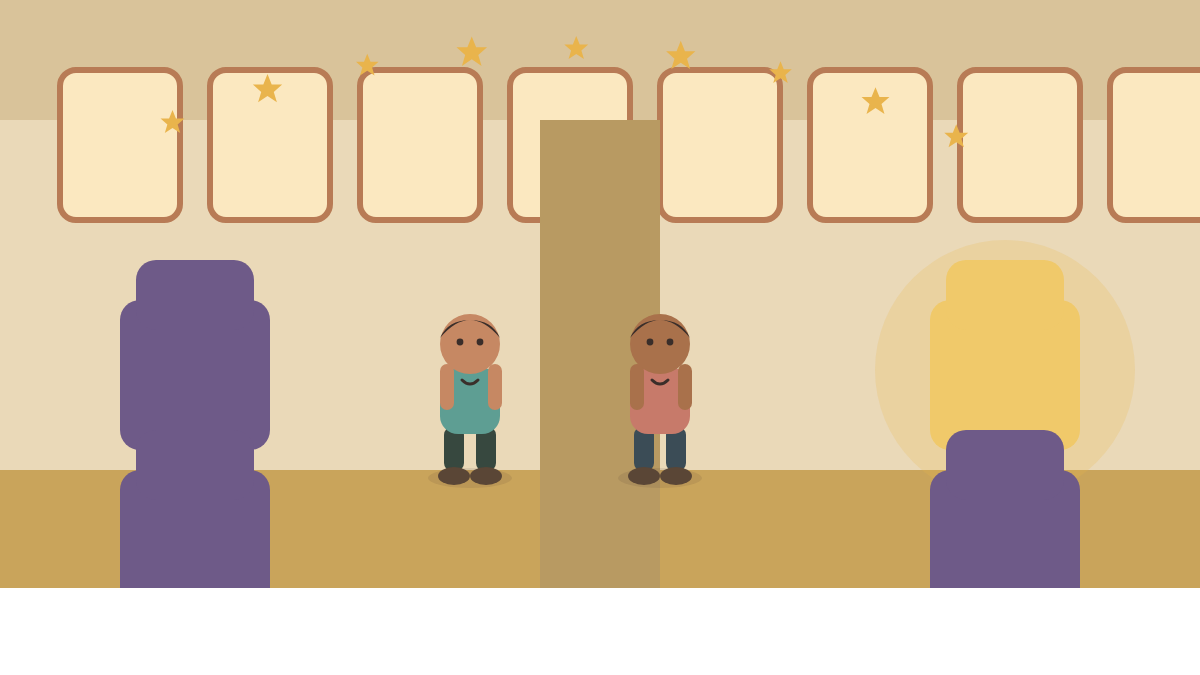
Two Best Friends, One Seat
A case for the dinner table. No answer is printed — the talking is the point.
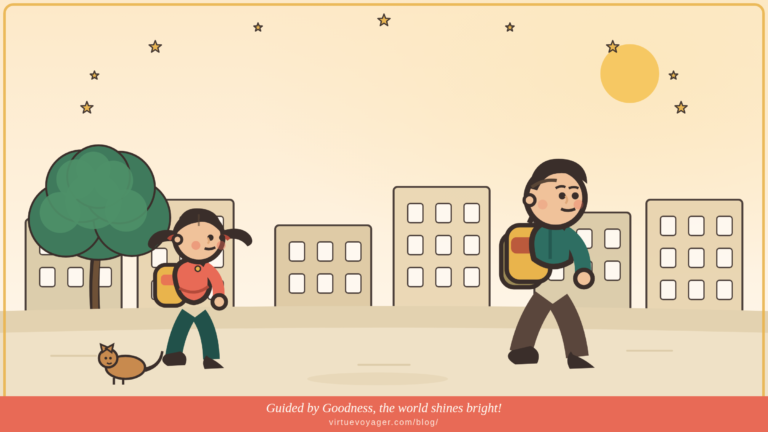
The school bus has forty-two seats, and this morning exactly one of them matters.
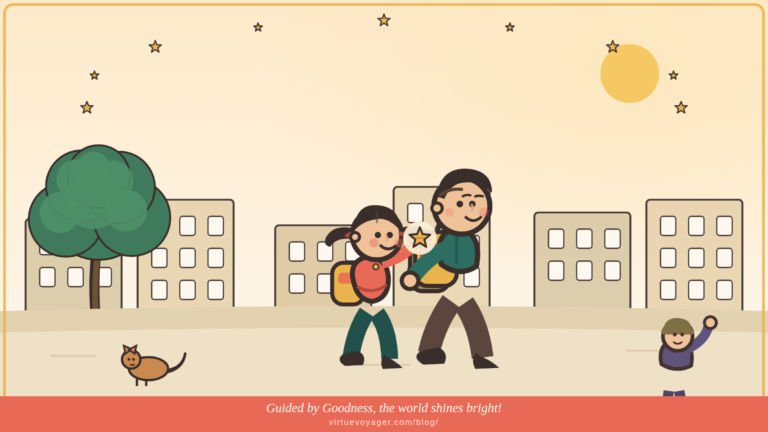
Riya got on first — her stop comes first, it always has — and the seat beside her is empty. Two stops later, both her best friends climb in together: Sana, who has been her best friend since Class 1, and Mahi, who became her best friend this summer, in the way summers do that.
One seat. Two best friends. Both looking at it.
“I’m sitting with Riya,” says Sana, quick, like calling dibs.
“You sat with her yesterday,” says Mahi, quieter, but not letting go.
Riya’s stomach does the thing stomachs do. Whoever she chooses, someone will walk down the aisle alone, holding the metal rail, pretending to look for another seat. And here is the strange part: Riya feels a tiny pinch of something when Sana and Mahi laugh together without her too. So she knows exactly what that walk feels like — from the inside.
The driver starts the engine. The bus is waiting. So is the seat.
Talk it out (no right answer printed — the Gang means it)
- 1. Everyone feels the pinch: Riya, Sana, Mahi. Is the pinch of jealousy wrong — or is it just information? What is it telling each of them?
- 2. Can a best friend be “shared”? What would sharing actually look like on a forty-two-seat bus, this week?
- 3. Whoever stands loses the seat — but what could repair look like before the bus even reaches school?
- 4. (Gently, honestly — a forward-glance to the Gang’s honesty adventures:) What could Riya say, honestly and kindly, to the friend left standing? Try saying the actual sentence out loud.
THIS WEEK’S FAMILY MISSION — The Friendship Map
Take one page. Draw circles for people, lines for connections. You’re in the middle.
- Explorer: you + 5 people you feel connected to. Draw the lines. Count them.
- Voyager: you + 10 people — and make the lines say something: a straight line for “see every day,” a wavy line for “far away but close.” Count both kinds.
- Champion: map your whole class or colony floor. Count the connections — then look for the circle with the fewest lines. No naming, no telling. Just notice. (What might a Kindness Champion quietly do with that noticing? That’s between you and your map.)
Bring your map to Sunday dinner. The counting is the fun; the noticing is the treasure.
Now we’re wondering, fellow voyager:
- Whose circle on your map surprised you?
- Where would you be on Riya’s bus — the seat, the aisle, or the choosing?
“Guided by Goodness, the world shines bright!”
— Virtue Voyager
2. Grown-up Note
For the grown-up by your side: jealousy between friends is not a flaw to fix — it’s one of the first big feelings children meet, and it usually arrives wearing anger’s jacket. One line that helps: “That pinch you felt — I know it too.” Naming it beside them, without shaming it, teaches more than solving the seat ever could.